Harvest2Cup Logo
Harvest2CupRetail and Wholesale

This site is under construction — some features may be incomplete.

Inspiration & Guides | Coffee Species Comparison

Coffee Species Comparison

A quick comparison between Arabica and Robusta, with supporting context for Liberica and Excelsa. This page translates the supplied comparison table into a clearer reference for growers, buyers, and coffee businesses.

At a glance

Arabica and Robusta dominate commercial coffee production, but they behave very differently in altitude, flavor, pricing, and climate resilience.

The supplied source frames Arabica as the sweeter, fruitier cup and Robusta as the stronger, earthier, more caffeine-forward option.

Liberica and Excelsa remain important supporting species, especially in the Philippines, where all four major commercial types can be grown.
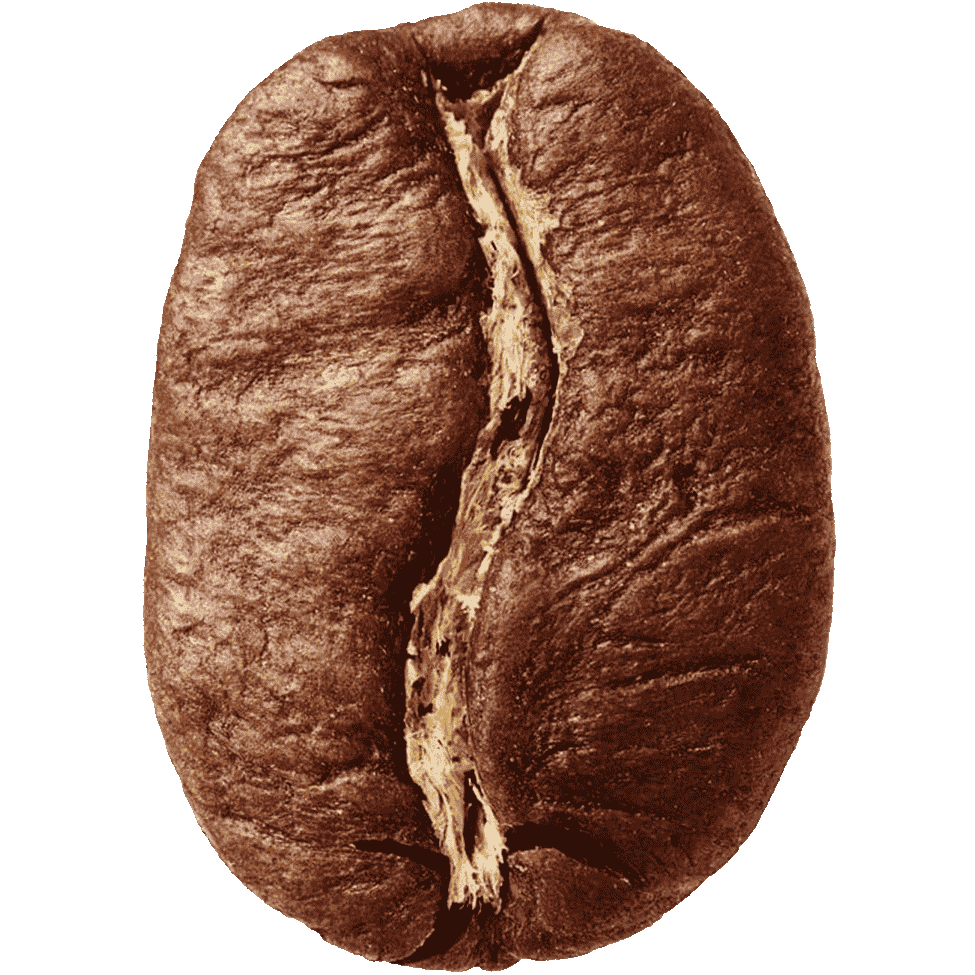
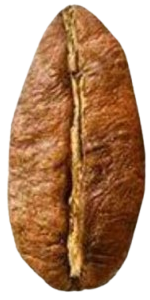
Arabica coffee bean

Coffea arabica

Arabica

Coffea Arabica

Higher-altitude production with sweeter, fruitier flavor expression and broader tasting-note range.

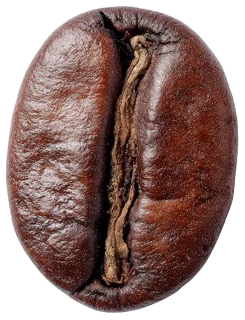
Robusta coffee bean

Coffea canephora

Robusta

Coffea Canephora

Lower-altitude production with a stronger, earthier profile and a bigger caffeine kick.

Key commercial signals

The fastest way to frame the species decision

These quick signals keep the trade split, pricing position, and climate exposure in one reading sequence before you move into the full comparison.

Trade split

60 / 40

The supplied table assigns roughly 60% of trade to Arabica and 40% to Robusta.

Price position

Arabica premium

The supplied source states that Robusta beans fetch a lower price than Arabica.

Climate exposure

Arabica higher risk

Arabica is described as highly sensitive to climate change, while Robusta is described as low sensitivity.

Main comparison

Arabica vs Robusta

The supplied HTML table compares where each species grows, how each one trades, and how the cup is usually described. The layout below keeps that comparison intact while making it easier to scan across desktop and mobile.

Region grown

Arabica

Tropical highlands in equatorial zones below 10° latitude at 1,000-2,000 meters above sea level.

Subtropical zones between 16° and 24° latitude at 500-1,000 meters above sea level.

Robusta

Equatorial zones below 10° latitude from sea level to 1,000 meters above sea level.

Major growing countries

Arabica

Brazil, Colombia, Ethiopia

Robusta

Vietnam, Indonesia, Uganda

Optimal temperature

Arabica

18°C to 23°C throughout the year.

Robusta

Not provided in the supplied source

Sensitivity to climate change

Arabica

High sensitivity. Lower-altitude areas in Central America are projected to lose suitability for Arabica.

Higher elevations in equatorial South America could benefit, while higher latitudes lose suitability. Coffee regions in Ethiopia and Kenya may become more suitable, while India and Vietnam may become less suitable.

Robusta

Low sensitivity in the supplied comparison source.

Traded share

Arabica

About 60% of total trade in the supplied source.

Robusta

About 40% of total trade in the supplied source.

Coffee brew quality

Arabica

Sweeter and fruitier than Robusta, with a wider range of tasting and flavor notes.

Robusta

Strong and earthy with a more forceful caffeine-forward cup.

Buyer and trade takeaways

Supporting context that matters after the core species comparison

Price positioning

Robusta generally trades below Arabica in the supplied source, which helps explain its role in value blends, instant coffee, and crema-heavy espresso mixes.

Moderate coffee intake

The supplied source associates moderate coffee consumption of about 3-5 cups per day with lower risk markers for type 2 diabetes, heart failure, liver disease, Alzheimer’s disease, and some cancers, while also supporting mood, cognition, and physical performance.

Source: Rush University Medical Center

Buyer use-case difference

Arabica is usually chosen for sweetness, fruit, and nuance. Robusta is often chosen for body, strength, crema, and lower input cost.

Where Liberica and Excelsa fit

Keep the wider commercial species set in view

Your supplied table focuses on Arabica and Robusta, but the infographic set also points to Liberica and Excelsa. Harvest2Cup already surfaces all four commercial coffee species, so this section keeps those two in view without diluting the main comparison.

Philippine specialty heritage

Liberica coffee bean

Liberica

Coffea Liberica

Liberica is known for larger beans, a bold aromatic profile, and a strong connection to Kapeng Barako culture in the Philippines.

Bold, smoky, and distinctive, often positioned as a premium niche rather than a mass-market volume species.

Existing site context highlights Batangas and Cavite.

Complex blending support

Excelsa coffee bean

Excelsa

Coffea Liberica var. dewevrei

Excelsa brings tart, fruity, darker cup character and often appears as a supporting species in blends and specialty programs.

Complex, fruity, and more niche in production, with a role in layering cup character rather than leading global trade volume.

Existing site context highlights Southern Mindanao.

Visual reference

Reference visuals placed after the main comparison

These images reinforce the main comparison with quick visual references for bean form, quality, altitude, flowering, and the wider set of commercial species.

Infographic with coffee beans arranged in a triangle next to the words premium coffee quality
Premium coffee quality visual emphasizing bean quality and cup positioning.
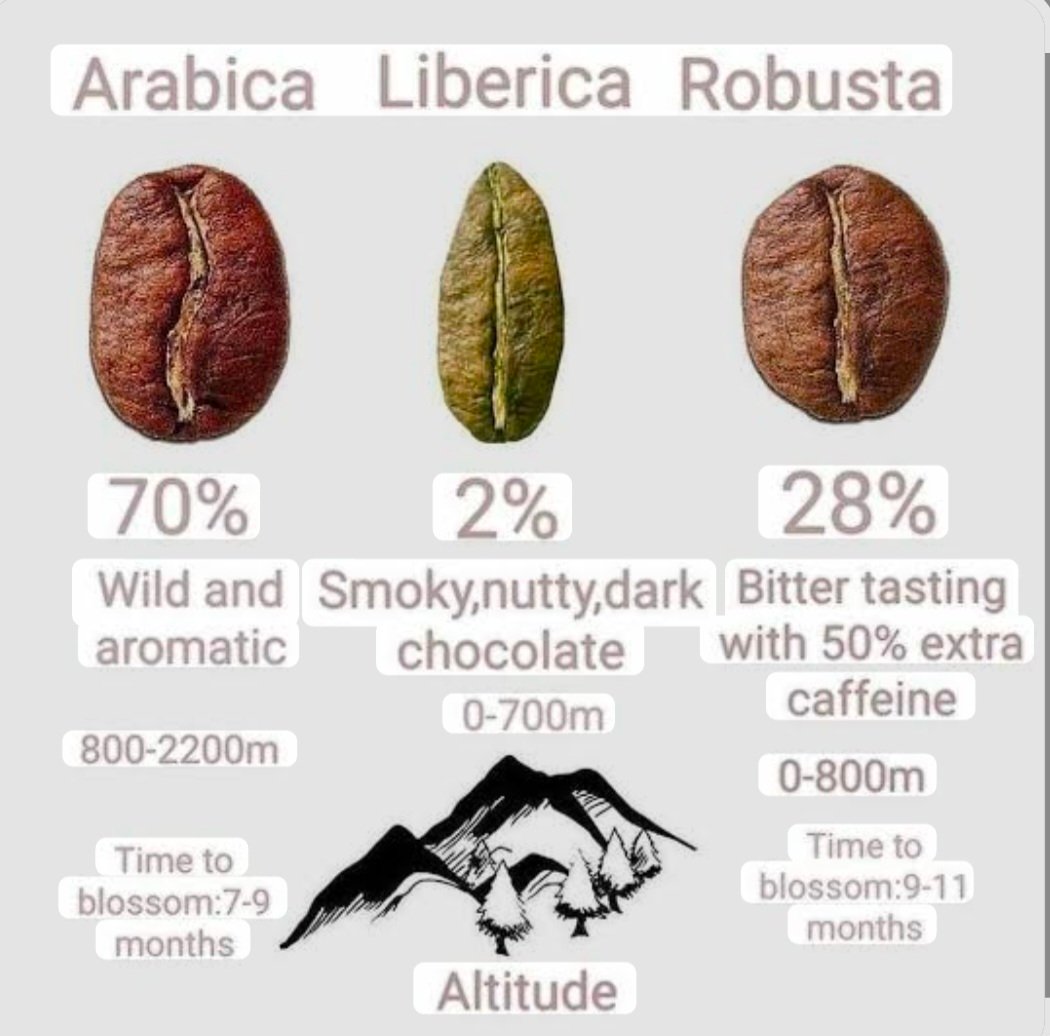
Infographic comparing Arabica, Liberica, and Robusta beans with altitude ranges and blossom timing
Altitude, flavor, and blossom-time snapshot across Arabica, Liberica, and Robusta.
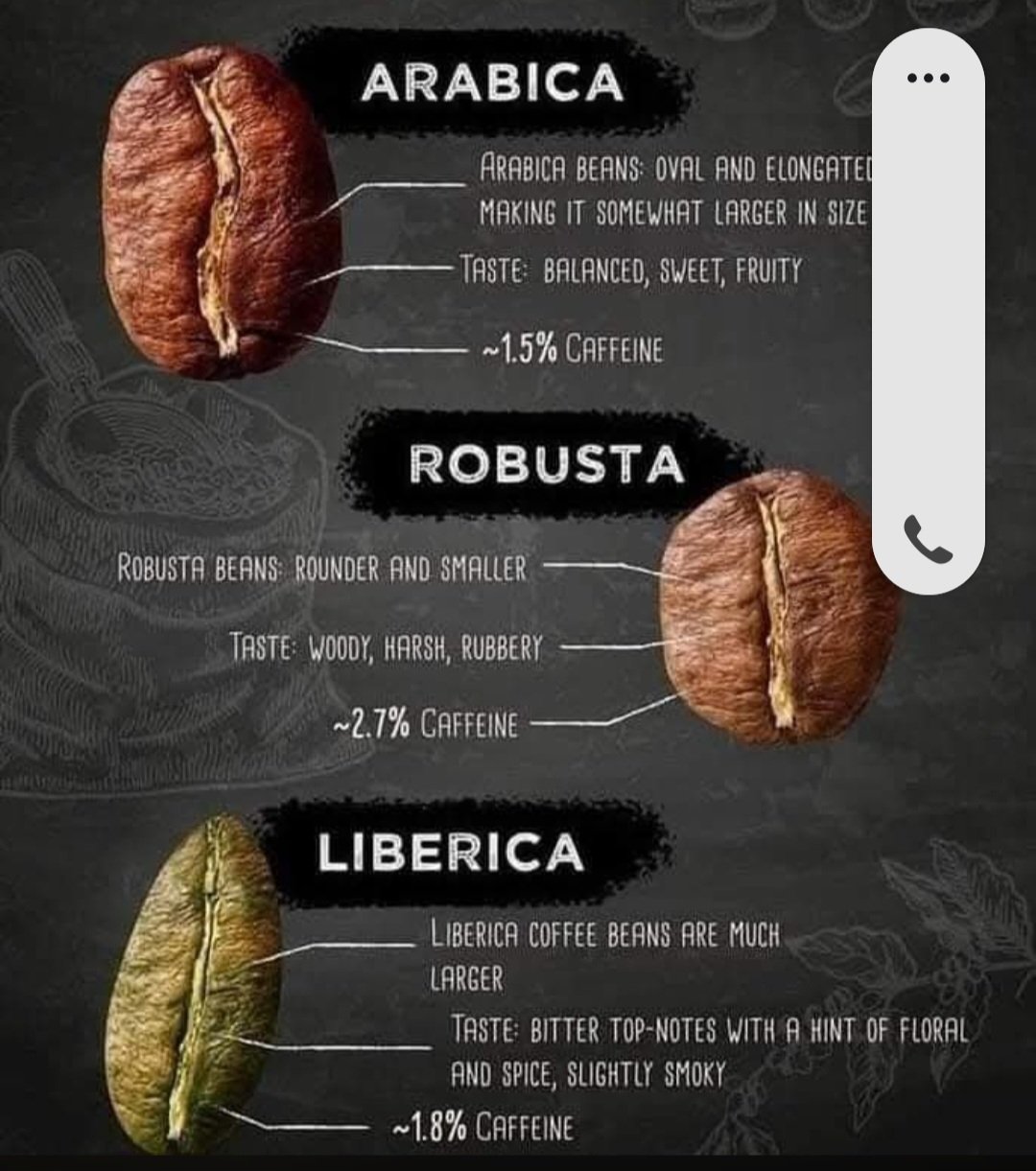
Dark infographic comparing Arabica, Robusta, and Liberica bean shape, flavor, and caffeine content
Bean shape, taste profile, and caffeine comparison for three major coffee species.
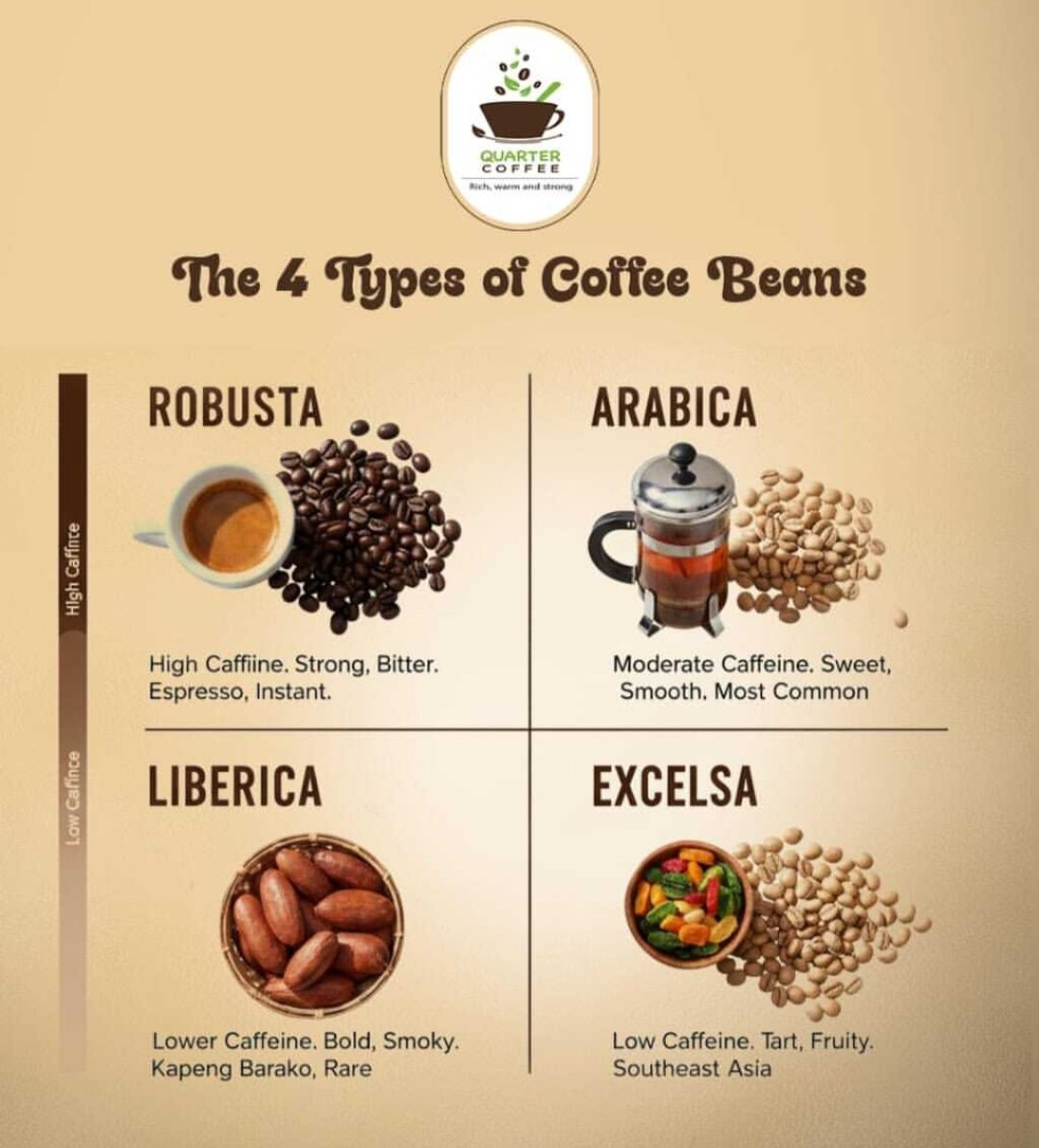
Poster showing the four types of coffee beans: Robusta, Arabica, Liberica, and Excelsa
A quick visual overview of Robusta, Arabica, Liberica, and Excelsa.

Next step

Use the comparison for sourcing, farm planning, and product positioning

Species choice affects altitude fit, climate exposure, cup profile, pricing, and how a coffee product is ultimately sold. Harvest2Cup can support both the education side and the commercial side of that decision.